
Struggling with weak WiFi signals in some parts of your home? You’re not alone.
When it comes to boosting your internet coverage, you might be wondering whether a WiFi extender or a mesh system is the right choice for you. Both promise better connectivity, but they work very differently—and choosing the wrong one could leave you frustrated with slow speeds or dead zones.
You’ll discover exactly how each option works, what fits your home layout best, and how to make a decision that keeps your devices connected smoothly no matter where you are. Ready to finally get rid of those annoying WiFi drops? Keep reading to find out which solution fits your needs perfectly.
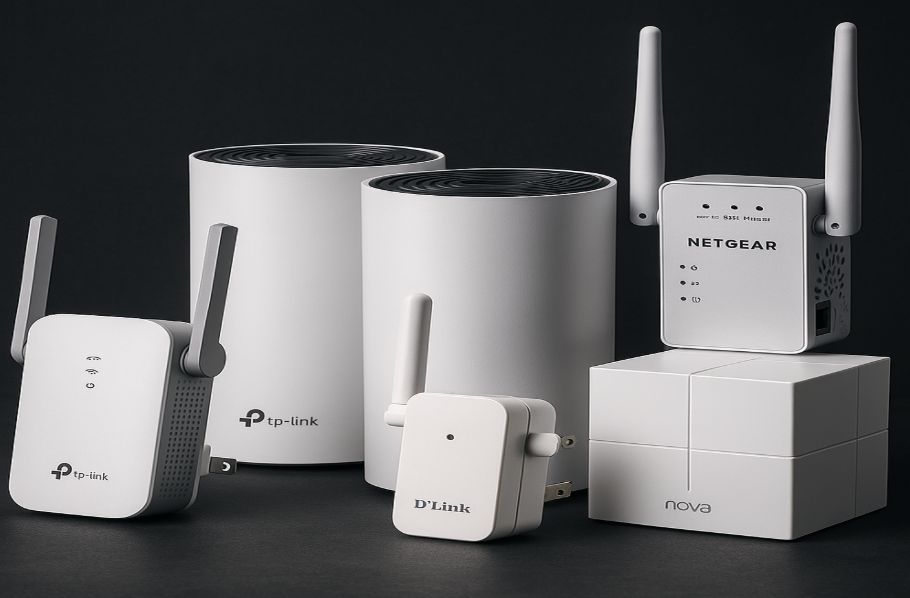
Credit: digibuggy.com
Wifi Extender Basics
Understanding WiFi extenders is important before choosing the right network solution. A WiFi extender boosts your existing router’s signal. It helps reach areas where the signal is weak or missing. This device is simple and usually plugs into a power outlet. It creates a secondary network, stretching your WiFi coverage.
This section explains how WiFi extenders work, when to use them, and their pros and cons. It helps you decide if a WiFi extender fits your needs.
How Wifi Extenders Work
WiFi extenders receive your router’s wireless signal. They then rebroadcast the signal to areas with poor coverage. This process helps cover dead zones in your home or office. The extender connects wirelessly to your main router. Some models use a wired connection for better speed. The extended network usually has a different name from your main WiFi.
Ideal Use Cases
WiFi extenders work best in small to medium homes. They help when a room or floor has weak WiFi signal. Extenders suit users who want an easy plug-and-play setup. They are good if you only need to cover a few dead spots. Extenders also fit well when you want a low-cost solution. Avoid extenders for very large homes or buildings. Complex layouts or thick walls reduce extender effectiveness.
Pros And Cons
WiFi extenders are affordable and easy to install. They improve WiFi coverage quickly without new wiring. Extenders let you keep your current router. They are less expensive than mesh systems. On the downside, extenders create separate networks. This can cause devices to switch networks manually. Extenders often reduce internet speed by half. Signal quality depends on the extender’s location. Poor placement results in weak extended signals.
Mesh System Basics
Cost plays a key role when choosing between a WiFi extender and a mesh system. Understanding different costs helps you pick the best option. You should look at the initial price, long-term benefits, and ongoing expenses. These factors affect your budget and satisfaction.
Initial Investment
WiFi extenders usually cost less upfront. They are simple devices that plug into an outlet. Mesh systems have a higher initial price. They include several units that work together. The cost depends on the number of nodes in the mesh system. Larger homes may need more nodes, raising the price.
Long-term Value
Mesh systems offer better coverage and speed over time. They create one network with strong signals everywhere. This can reduce frustration and improve productivity. Extenders can weaken your signal and slow down internet speed. You may need to buy extra extenders for bigger areas. This could add to the total cost later.
Maintenance Expenses
WiFi extenders require minimal maintenance. Usually, you just update the firmware occasionally. Mesh systems might need more updates and occasional resets. Some mesh systems come with subscription plans for added features. Consider these ongoing costs when budgeting. Also, mesh systems may need replacement parts or extra nodes as technology changes.
Performance Comparison
Choosing between a WiFi extender and a mesh system depends greatly on your device and user needs. Understanding how many devices connect, how you use your network, and any special requirements helps make the right choice. This section breaks down these factors clearly.
Number Of Connected Devices
Count the devices that connect to your WiFi regularly. A few devices might work well with a WiFi extender. Many devices often need the stronger, wider coverage of a mesh system. Mesh systems handle multiple connections better without slowing down your network.
Usage Patterns
Think about how you use the internet. Basic browsing and emails need less power, so an extender might be enough. Streaming videos, gaming, and video calls need steady, fast connections. Mesh systems keep speeds smooth across your home during heavy use.
Special Requirements
Some homes have thick walls or multiple floors. These block signals and reduce speed. Mesh systems use several nodes that work together to cover tricky spots. Extenders boost signals but may cut speeds and cause dead zones. Consider your home’s layout and any unique needs carefully.

Credit: www.netgear.com

Credit: www.vsolcn.com
Frequently Asked Questions
Do I Need A Wifi Extender Or A Mesh System?
Choose a WiFi extender for small coverage gaps and easy setup. Opt for a mesh system to cover large homes with seamless, consistent WiFi.
What Is A Major Disadvantage Of A Mesh Network?
A major disadvantage of a mesh network is its higher cost compared to traditional routers or extenders. It also requires more complex setup and maintenance.
Will Mesh Wifi Go Through Walls?
Mesh WiFi signals can pass through walls but may weaken depending on wall material and thickness. Stronger signals improve coverage.
Do You Lose Speed With Mesh Wifi?
Mesh WiFi may slightly reduce speed on nodes due to signal relay. Using dedicated backhaul channels minimizes speed loss and keeps performance stable.
Conclusion
Choosing between a WiFi extender and a mesh system depends on your needs. WiFi extenders work well for small areas or single rooms. Mesh systems offer better coverage for large homes or multiple floors. They create one strong network with steady speeds.
Think about your home’s size and your budget before deciding. Both options can improve your internet connection. Pick the one that fits your space and online habits best. Simple and effective solutions help you stay connected with ease.
