
If you want to know when and where ChatGPT mentions your brand, you’re in the right place. Tracking your brand mentions in ChatGPT isn’t just about staying informed—it’s about gaining a clear edge over competitors and understanding how people perceive you in AI-driven conversations.
Imagine having a simple way to see how often your brand pops up, the context behind those mentions, and how you stack up against others. This article will guide you step-by-step through smart tools and easy strategies to track your ChatGPT brand mentions effortlessly.
Keep reading to unlock the secrets that can boost your brand’s visibility and reputation in the AI age.
Why Track Chatgpt Mentions
Tracking ChatGPT brand mentions helps businesses stay aware of how their brand appears in AI-driven conversations. It reveals what people say about your brand on a new, growing platform. Monitoring these mentions can guide your marketing and customer service strategies effectively.
ChatGPT is becoming a popular tool for many users. Brands mentioned here can influence potential customers and partners. Knowing about these mentions early helps you manage your brand presence online.
Impact On Brand Reputation
Brand mentions in ChatGPT affect your reputation directly. Positive mentions build trust and attract customers. Negative mentions can harm your image quickly. Tracking helps you respond to false or harmful information fast. It keeps your brand’s image strong and consistent.
Understanding Customer Sentiment
ChatGPT mentions reflect customer feelings about your brand. They show if users like or dislike your products or services. This insight helps you improve your offerings and customer experience. Sentiment analysis guides your communication tone and content strategy.
Competitive Insights
Tracking ChatGPT mentions reveals how your brand compares to competitors. It shows which brands get more attention and why. You learn what users appreciate or criticize about other brands. This information helps you adjust your marketing and product plans to stay ahead.
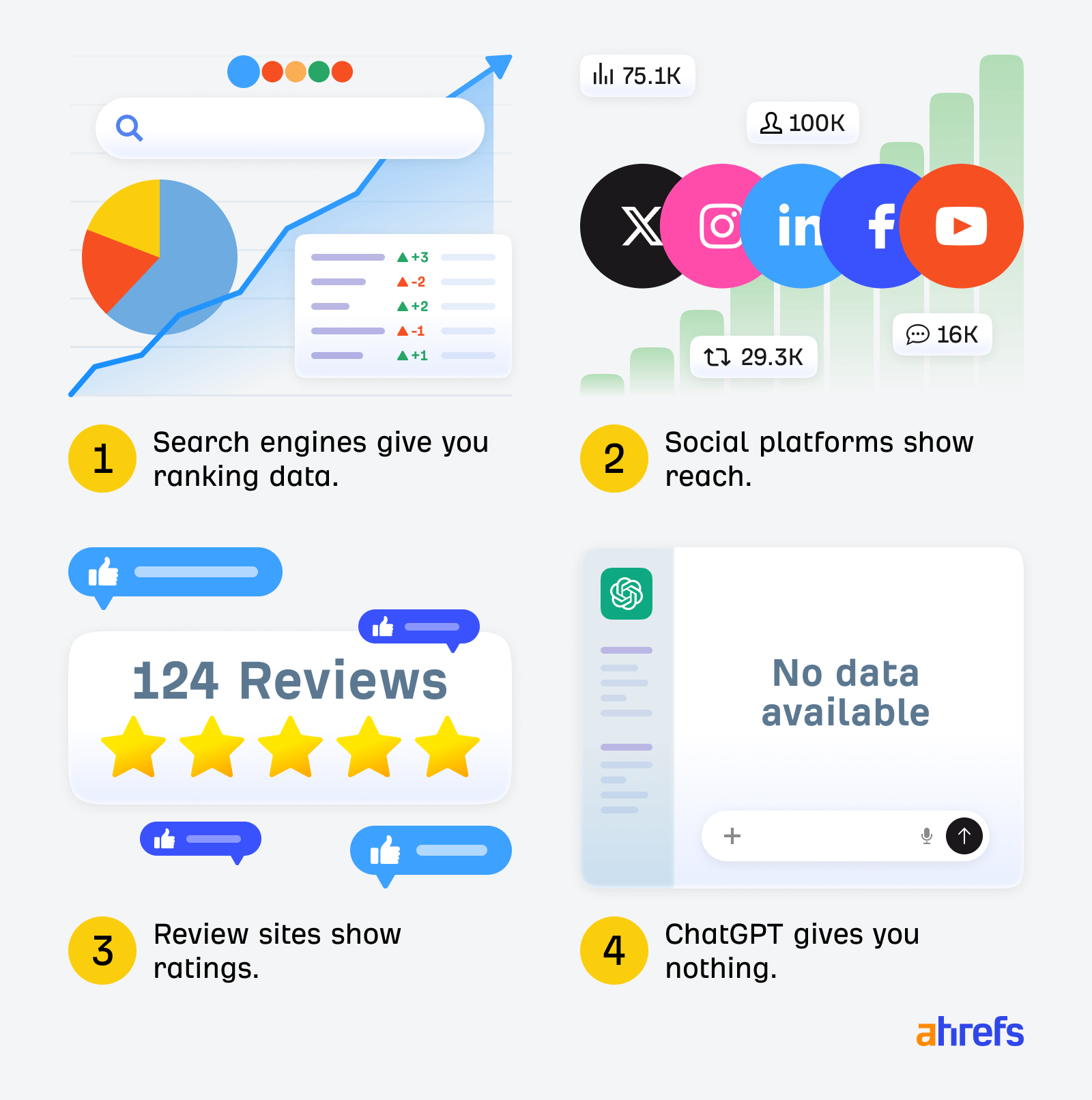
Credit: ahrefs.com
Key Metrics To Monitor
Tracking ChatGPT brand mentions requires focusing on specific key metrics. These metrics help measure your brand’s presence and impact. Understanding these indicators guides your marketing and communication strategies effectively.
Each metric reveals a different insight. Together, they offer a complete picture of how often and in what way your brand appears in ChatGPT’s outputs.
Mention Frequency
Mention frequency counts how often ChatGPT mentions your brand. This metric shows your brand’s visibility over time. High mention frequency means your brand is well-known. Tracking this helps spot trends or sudden changes in attention.
Sentiment And Context
Sentiment indicates if mentions are positive, negative, or neutral. Context reveals how your brand is discussed. Positive sentiment builds trust and loyalty. Negative sentiment warns about potential issues. Understanding context prevents misinterpretations and guides responses.
Query Triggers
Query triggers are specific questions or topics that cause ChatGPT to mention your brand. Identifying these triggers helps understand user interests. It shows which products or services attract attention. This insight helps tailor your messaging and improve content relevance.
Citation And Visibility
Citation frequency measures how often your brand is cited as a source or example. Visibility reflects your brand’s prominence compared to competitors. High citation and visibility increase your authority and credibility. Monitoring these metrics supports your reputation management efforts.
Top Tools For Tracking
Tracking ChatGPT brand mentions requires precise tools. These tools help monitor your brand’s presence on AI platforms. They gather data on where and how often your brand is mentioned. This insight helps improve your marketing and customer engagement strategies.
Specialized Ai Trackers
Specialized AI trackers focus on AI-generated content and conversations. They scan ChatGPT outputs and other AI platforms for brand mentions. These tools analyze context and sentiment to provide valuable insights. They help brands understand how AI models represent them. ZipTie.dev and Otterly.ai are examples of such trackers. They offer tailored reports on your brand’s visibility in AI-generated text.
Semrush Ai Visibility Toolkit
Semrush provides an AI Visibility Toolkit designed for tracking brand mentions. It tracks how often your brand appears in AI responses. The toolkit measures mention frequency and compares you against competitors. It also analyzes the sentiment behind mentions. This tool integrates with other Semrush features for a full marketing overview. It is useful for brands wanting detailed data on AI visibility.
Keyword.com And Peec.ai
Keyword.com offers rank tracking for AI-driven search results. It monitors ChatGPT mentions daily or weekly. Peec.ai focuses on AI content monitoring and brand tracking. Both tools provide alerts when your brand is mentioned. They allow easy tracking of specific keywords or phrases. These tools are simple to use and provide consistent updates. They help brands stay informed about AI content trends.
Alternative Tools And Manual Methods
Some brands use general social listening tools to catch AI mentions. Tools like Brand24 or Mention can track online brand presence broadly. Manual methods include checking forums and AI discussion groups. Regular Google Alerts for your brand name also help find new mentions. Combining tools and manual checks creates a broader view. This approach ensures no mention goes unnoticed.
Setting Up Your Tracking System
Setting up a tracking system for ChatGPT brand mentions requires clear planning and the right tools. A well-organized system helps capture important conversations about your brand. It also aids in understanding customer perception and spotting opportunities for engagement.
Start by choosing the right keywords and phrases to monitor. Then, focus on finding prompts that show real interest in your brand. Automate your tracking to save time and keep data consistent. Finally, analyze mentions to understand their tone and context.
Define Keywords And Variations
Choose keywords that represent your brand clearly. Include the brand name, common misspellings, and related product names. Add popular abbreviations or slang terms users might use. This broad approach ensures you catch all relevant mentions. Keep the list simple but comprehensive. Avoid overly generic terms that may cause noise.
Identify High-intent Prompts
Focus on prompts that show strong interest or action intent. Look for questions, requests for reviews, or comparisons involving your brand. These prompts reveal users ready to engage or buy. Tracking them helps prioritize responses and marketing efforts. Filter out casual mentions to concentrate on meaningful interactions.
Automate Monitoring Schedules
Set up automatic checks for brand mentions daily or weekly. Use tools that send alerts when new mentions appear. Automation keeps your tracking consistent and timely. It also frees up time for analysis and action. Choose monitoring software that fits your budget and technical skills.
Analyze Sentiment And Context
Review mentions to understand if they are positive, neutral, or negative. Sentiment analysis reveals customer feelings and brand reputation. Study the context to see how your brand is discussed. This insight guides your communication strategy and helps address issues early. Combine sentiment with frequency to spot trends over time.
Interpreting Tracking Data
Interpreting tracking data is essential to understand how ChatGPT mentions affect your brand. It reveals your brand’s position in the market and helps spot new opportunities. Tracking data goes beyond numbers and shows real insights into public perception. Correct interpretation guides smart marketing moves and keeps your brand relevant.
Measuring Brand Positioning
Tracking data shows how often ChatGPT mentions your brand compared to competitors. It highlights your share of voice and visibility online. Positive or negative sentiment in mentions reveals public opinion. This information helps you understand your brand’s reputation. You can see where your brand stands in the digital space.
Spotting Emerging Trends
Data from mentions uncovers patterns and rising topics about your brand. It shows what users ask ChatGPT about your products or services. These trends indicate shifting customer interests or needs. Early detection of trends helps you stay ahead. You can tailor content or products to match current demand.
Adjusting Marketing Strategies
Use tracking insights to refine your marketing efforts. If mentions are mostly negative, focus on improving customer experience. Positive trends suggest areas to amplify in your campaigns. Tracking data helps identify which channels work best. It allows you to allocate budget and resources wisely for better results.

Credit: irenechan.co
Challenges And Best Practices
Tracking ChatGPT brand mentions is essential for understanding your brand’s impact. This task comes with several challenges that can affect the quality of your insights. Adopting best practices helps overcome these obstacles and ensures effective monitoring.
Handling Data Overload
Brand mention tracking tools generate large volumes of data daily. Sorting through this data can overwhelm teams. Focus on relevant mentions by setting clear filters and keywords. Use automation to categorize and prioritize mentions. This approach saves time and highlights the most important insights.
Ensuring Accurate Sentiment Analysis
Sentiment analysis often misinterprets tone, especially in short or complex texts. ChatGPT mentions may contain sarcasm or mixed emotions. Use tools that combine machine learning with human review. Regularly update your sentiment models for better accuracy. Clear guidelines help analysts judge sentiment correctly.
Maintaining Consistent Monitoring
Brand mentions can appear any time, across many platforms. Irregular monitoring risks missing critical mentions or trends. Establish a regular schedule for review and reporting. Use alerts to catch urgent mentions instantly. Consistency ensures you respond quickly and maintain brand reputation.
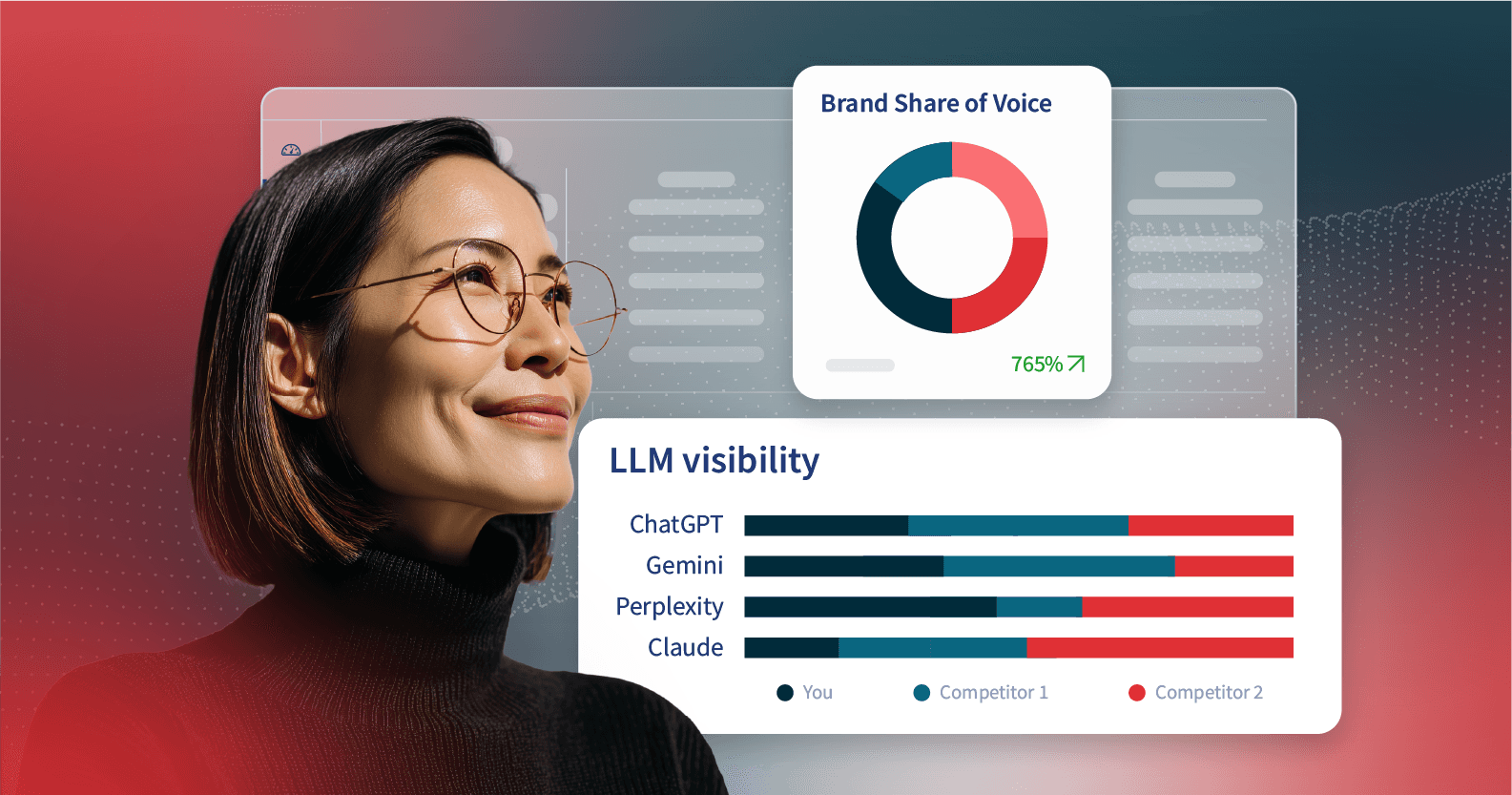
Credit: www.talkwalker.com
Frequently Asked Questions
How To Track Brand Mentions On Chatgpt?
Track brand mentions on ChatGPT using AI monitoring tools like ZipTie. dev, GenRank, or Semrush AI Visibility. These tools automate daily checks, analyze sentiment, and compare competitor presence. Alternatively, prompt ChatGPT directly to find mentions manually. Use keyword. com or Peec.
ai for detailed AI visibility tracking and reports.
How To Calculate Brand Mentions?
Calculate brand mentions by using social listening or media monitoring tools to count mentions across reviews, blogs, and social media. Track mention frequency, sentiment, and context regularly for accurate insights. Specialized AI tools like Semrush AI Visibility can automate this process efficiently.
How To Track Press Mentions?
Track press mentions using media monitoring tools like Press Ranger or Semrush AI Visibility. Set alerts for keywords, analyze sentiment, and generate reports regularly. Use AI trackers like ZipTie. dev or manual searches in ChatGPT for detailed brand mention insights and competitor comparison.
How To Check Brand Presence?
Check brand presence by monitoring social media metrics, search volume, customer sentiment, surveys, and Google Trends. Use AI tools like Semrush or ZipTie. dev to track mentions and analyze visibility regularly.
Conclusion
Tracking ChatGPT brand mentions helps you understand your online presence clearly. Use simple tools to monitor how often and where your brand appears. Focus on the quality and context of each mention to gain useful insights. Keep track regularly to spot trends and improve your brand’s reputation.
This practice supports smarter marketing decisions and stronger customer connections. Start tracking today and watch your brand awareness grow steadily.
