
You want to know how your brand is showing up in ChatGPT’s answers—and more importantly, how that changes over time. Tracking your brand’s performance in ChatGPT responses isn’t just about curiosity; it’s about understanding your visibility in a fast-growing space where people turn for quick, trusted information.
But how do you keep tabs on something that feels so fluid and unpredictable? You’ll discover simple, effective ways to monitor your brand mentions, measure your impact, and use that insight to stay ahead of competitors. Stick with me, and you’ll learn practical steps to take control of your brand’s presence in ChatGPT responses—and watch it grow.
Credit: adtechradar.com
Setting Brand Tracking Goals
Setting clear goals is the first step in tracking brand performance in ChatGPT responses. Goals guide the tracking process and help measure progress accurately. They provide focus and make it easier to evaluate results over time.
Without specific goals, tracking efforts may be scattered and less effective. Proper goal setting ensures you gather useful data that aligns with your brand’s needs.
Identifying Key Brand Metrics
Start by choosing the brand metrics that matter most. These could include brand mentions, sentiment, or user engagement. Metrics should reflect how your brand appears and is perceived in ChatGPT responses.
Focus on metrics that give insight into brand visibility and reputation. This helps understand how often and in what context your brand is mentioned.
Choosing Relevant Kpis
Key Performance Indicators (KPIs) turn metrics into measurable goals. Select KPIs that track changes in brand awareness and customer sentiment. Examples include the number of positive mentions or share of voice compared to competitors.
KPIs must be clear, quantifiable, and easy to monitor regularly. This allows you to see trends and adjust strategies if needed.
Aligning With Business Objectives
Brand tracking goals should support your overall business aims. Align KPIs with objectives like increasing customer trust or expanding market reach. This ensures tracking efforts contribute to business growth.
Check that your tracking targets match marketing campaigns and sales goals. Alignment improves decision-making and resource allocation.
Credit: sparktoro.com
Selecting Tracking Tools
Selecting the right tools is vital for tracking your brand’s performance in ChatGPT responses. Various options exist, each with unique features to match your needs. Choose tools that offer reliable data and simple interfaces. This ensures consistent monitoring and clear insights over time.
Ai Visibility Trackers
AI visibility trackers scan ChatGPT and similar models for brand mentions. They provide regular updates on where and how your brand appears. These tools help you understand your visibility and spot trends in user interactions. Some trackers also compare your brand against competitors for better context.
Keyword Monitoring Software
Keyword monitoring software tracks specific phrases related to your brand. It collects data from ChatGPT responses and other sources. This software shows how often your keywords appear and their context. It helps refine your content strategy to improve brand presence in AI responses.
Custom Scripts And Automation
Custom scripts let you gather data tailored to your exact needs. You can automate prompts to ChatGPT and capture responses for analysis. Automation saves time and ensures consistent data collection. This approach suits users with technical skills or access to developers.
Designing Effective Prompts
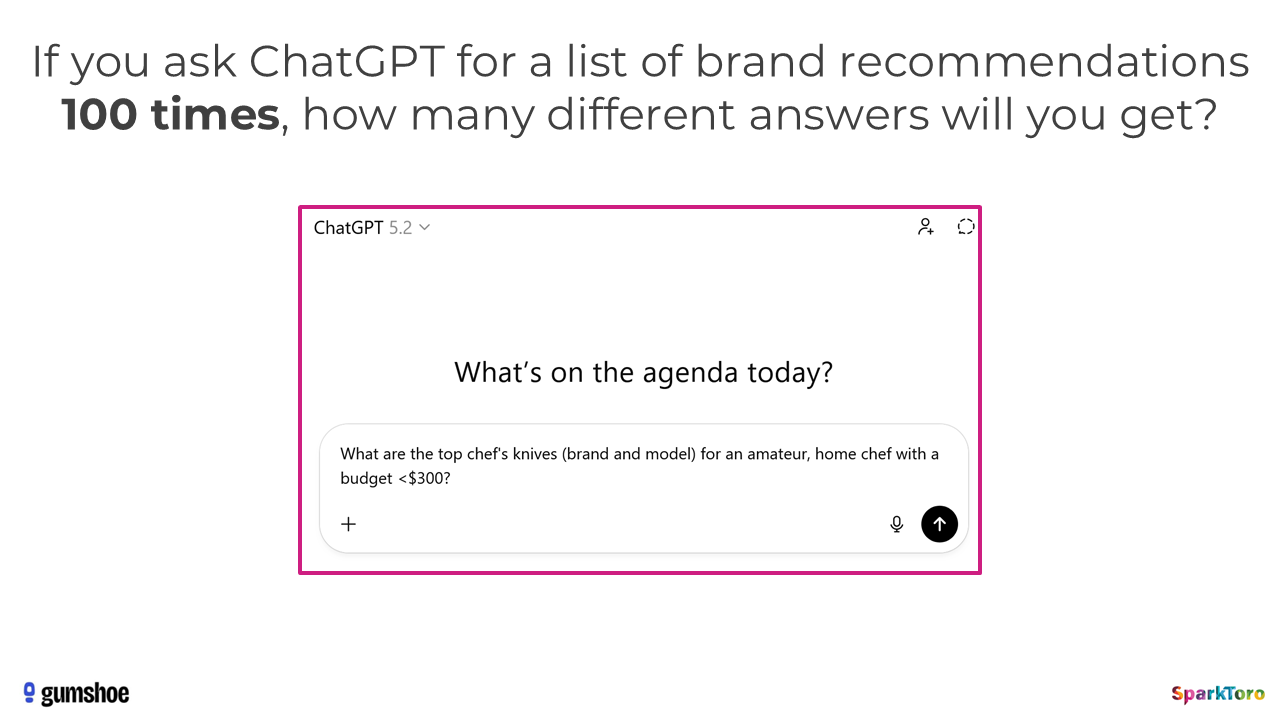
Designing effective prompts is key to tracking brand performance in ChatGPT responses over time. Well-crafted prompts guide the AI to provide relevant and consistent answers. This helps measure how often and in what context your brand appears. Clear and precise prompts reduce noise and improve data quality. Below are essential tips for designing prompts that deliver reliable insights.
Crafting High-intent Questions
Focus on questions that show strong user interest in your brand. Use queries that reflect real customer needs or problems. For example, instead of asking, “What is brand X?” ask, “How does brand X solve customer issues?” High-intent questions trigger detailed and specific answers. They help track meaningful brand mentions and user sentiment over time.
Incorporating Brand Keywords
Include your brand’s name and key product terms in every prompt. This signals the AI to mention your brand clearly. Use variations of your brand name, product names, and common misspellings. Avoid vague terms that may confuse the AI. Keyword inclusion ensures the responses contain relevant brand information for accurate tracking.
Ensuring Prompt Consistency
Use the same or very similar prompts regularly to compare results over time. Consistency eliminates variables that can affect the AI’s answers. Keep question structure, keywords, and tone steady across all prompts. This approach makes it easier to spot trends and changes in brand visibility and perception.
Scheduling Regular Monitoring
Scheduling regular monitoring is crucial to track your brand performance in ChatGPT responses effectively. It ensures you capture timely data and spot trends early. Consistent checks help maintain an accurate picture of how your brand is perceived over time.
Without a fixed schedule, monitoring can become irregular and unreliable. Setting up a routine keeps your tracking organized and focused. This routine supports better decision-making based on clear insights.
Setting Tracking Intervals
Choose how often you want to track ChatGPT responses about your brand. Common intervals include daily, weekly, or monthly checks. The choice depends on how fast your brand mentions change and your resource availability.
Daily tracking catches quick shifts in perception. Weekly or monthly checks highlight long-term trends. Pick intervals that balance detail with manageability. Consistency matters more than frequency for useful data.
Automating Data Collection
Use tools or scripts to gather ChatGPT responses automatically. Automation saves time and reduces errors. It allows you to collect data at your set intervals without manual effort.
Set up prompts that target your brand name and related keywords. Schedule these prompts to run regularly. Use APIs or scraping tools to store responses in a database for analysis.
Managing Response Archives
Store all collected ChatGPT responses in an organized archive. Label entries by date and tracking interval. This archive helps you compare past and present data easily.
Keep backups to avoid data loss. Use cloud storage or dedicated servers for safety. Well-managed archives support detailed trend analysis and reporting.
Analyzing Chatgpt Responses
Analyzing ChatGPT responses helps understand your brand’s presence and impact. It shows how often your brand appears and the tone associated with it. This analysis guides marketing and content strategies effectively. It also reveals how your brand compares to competitors in AI-generated content.
Extracting Brand Mentions
Start by identifying every time your brand name appears in ChatGPT responses. Use keyword tracking tools or custom scripts to gather these mentions automatically. Focus on exact matches and variations like abbreviations or common misspellings. Collect data regularly to observe trends and spikes in brand visibility.
Evaluating Sentiment And Context
Next, assess the sentiment behind each brand mention. Determine if the tone is positive, neutral, or negative. Consider the context where your brand is mentioned—product reviews, customer service, or general discussion. This insight helps spot strengths and weaknesses in public perception over time.
Comparing Competitor Mentions
Track how often competitors appear alongside your brand in ChatGPT answers. Compare the volume and sentiment of their mentions to yours. This comparison highlights your market position and areas to improve. It also uncovers opportunities to differentiate your brand within AI-driven conversations.
Measuring Performance Trends
Measuring performance trends in ChatGPT responses helps understand how your brand evolves over time. Tracking these trends reveals insights about your brand’s presence and perception. Consistent monitoring allows timely adjustments to your strategy. Here are key areas to focus on for measuring performance trends effectively.
Tracking Share Of Voice Over Time
Share of voice shows how often your brand appears in ChatGPT answers. Track mentions regularly to see if your brand gains or loses visibility. Use data from multiple time points to spot growth or decline. Compare your brand’s share to competitors for context. This helps evaluate marketing efforts and brand awareness.
Spotting Shifts In Brand Perception
Brand perception reflects how people view your brand in responses. Analyze the tone and sentiment of mentions over time. Positive, neutral, or negative language changes indicate shifts in perception. Look for new themes or topics linked to your brand. Understanding these shifts helps improve messaging and customer relations.
Identifying Response Patterns
Response patterns show how ChatGPT answers change about your brand. Identify common phrases, questions, or concerns over time. Notice if responses become more accurate or detailed. Patterns reveal what users frequently ask or care about. Use this knowledge to refine your content and support strategies.
Optimizing Brand Presence
Optimizing your brand presence in ChatGPT responses helps build trust and visibility. Brands that appear clearly and consistently gain more user attention. Focus on making your content easy to find and credible. This strengthens your brand’s reputation over time. The following strategies improve how your brand shows up in AI-generated content.
Improving Content On Authoritative Sites
Create and update content on well-known websites related to your industry. Authoritative sites rank higher in search results and AI responses. Provide clear, accurate, and helpful information about your brand. This increases the chances ChatGPT will reference your brand from these trusted sources. Regularly review and enhance your existing content to keep it relevant.
Leveraging Structured Data
Use structured data markup on your web pages to help AI understand your content better. This code highlights important details like product info, reviews, and contact details. Structured data makes it easier for ChatGPT to pull accurate brand information. Implement schema.org tags relevant to your business. This technique improves your brand’s clarity in AI-generated answers.
Building Third-party Citations
Gather mentions of your brand on other reputable websites, directories, and review platforms. Third-party citations boost your brand’s credibility and visibility. Ensure your business name, address, and phone number are consistent across all listings. Encourage satisfied customers to leave reviews on trusted sites. These citations support your brand’s authority in ChatGPT’s data sources.
Reporting And Insights
Reporting and insights are vital for understanding your brand’s presence in ChatGPT responses. They help you see trends, measure impact, and make smart decisions. Regular reports show how your brand is mentioned and perceived over time. Clear insights guide your marketing and content strategies effectively.
Creating Visual Dashboards
Visual dashboards display your brand data clearly. Use charts and graphs to track mentions, sentiment, and engagement. Dashboards help spot patterns fast. They make complex data easy to understand. Tools like Google Data Studio or Tableau work well for this. Update dashboards regularly to keep insights fresh and relevant.
Sharing Findings With Stakeholders
Share your reports with team members and leaders. Use simple language and clear visuals. Regular updates keep everyone informed about brand performance. Sharing builds trust and encourages collaboration. Tailor reports to the audience’s needs. Use email summaries or live presentations to communicate results effectively.
Adapting Strategies Based On Data
Data shows what works and what does not. Use insights to improve content and marketing plans. Focus on areas with positive feedback. Address negative mentions quickly to protect your brand. Testing new ideas based on data leads to better results. Keep adjusting strategies to stay relevant and competitive over time.

Credit: www.hubspot.com
Frequently Asked Questions
How Do You Track Brand Performance?
Track brand performance by monitoring mentions with tools like Google Analytics, social media apps, and surveys. Analyze brand awareness, loyalty, and visibility over time. Use AI visibility trackers to monitor brand mentions on platforms like ChatGPT. Review high-intent queries regularly to assess changes in brand presence.
How Can My Brand Appear In Answers From Chatgpt?
Increase your brand’s visibility by publishing answer-focused content on authoritative sites. Optimize existing top-ranking pages with citations, reviews, and directory listings. Consistently expand your brand mentions across trusted platforms to appear in ChatGPT responses.
How Do You Track Mentions In Chatgpt?
Track mentions in ChatGPT by using AI visibility tools like Finseo or running scheduled high-intent queries. Save and compare responses regularly.
How To Measure Ai Visibility?
Measure AI visibility by monitoring brand mentions in AI-generated content regularly. Use tools that track keywords and responses over time. Analyze frequency, context, and ranking of your brand within AI outputs to assess performance and optimize visibility effectively.
Conclusion
Tracking your brand’s performance in ChatGPT responses takes time and care. Regularly ask the same important questions to see changes. Save and compare answers to spot trends clearly. Use simple tools to monitor how often your brand appears. This helps you understand your brand’s visibility and growth.
Keep your content updated and accurate for better results. Tracking helps you make smart decisions to improve your brand. Stay patient and consistent to see meaningful progress over time.
