
Thinking about upgrading your laptop’s SSD? It’s one of the smartest ways to boost your laptop’s speed and storage without buying a new device.
But you might wonder, “How can I do it safely without losing my data or damaging my laptop? ” That’s exactly what this guide will show you. You’ll learn simple, clear steps to replace or upgrade your SSD with confidence.
By the end, you’ll know how to protect your files, pick the right SSD, and install it correctly so your laptop runs faster and smoother. Ready to unlock your laptop’s full potential? Keep reading!
Credit: semiconductor.samsung.com
Prepare For Ssd Upgrade
Physically replacing the SSD in your laptop is a key step in upgrading its storage. This process requires care and attention to avoid damage. Follow simple steps to ensure a safe and smooth replacement. Prepare your workspace and tools before starting.
Power Down And Unplug Laptop
Turn off your laptop completely. Do not put it to sleep or hibernate. Unplug the power adapter from the laptop. Remove any connected devices, such as USB drives or external monitors. This prevents electrical damage and protects your data.
Open Laptop Carefully
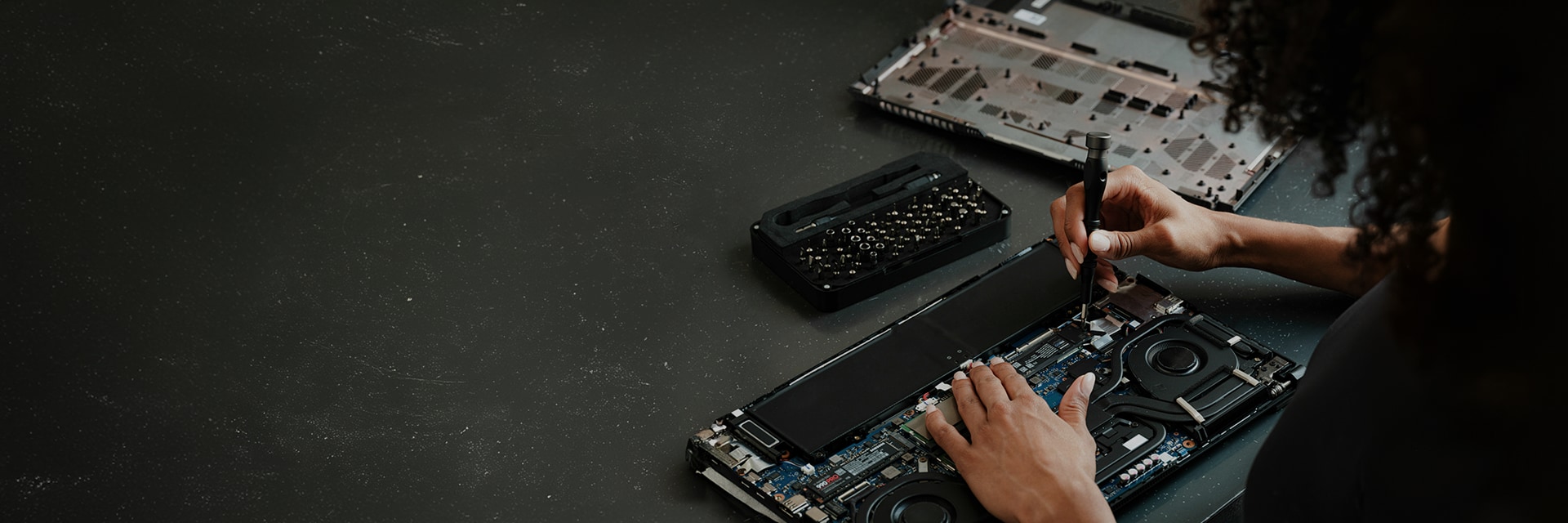
Place the laptop on a clean, flat surface. Use a small screwdriver to remove screws from the back panel. Keep the screws organized to avoid losing them. Gently pry open the panel using a plastic tool. Avoid using metal tools to prevent scratches or damage.
Remove Old Ssd
Locate the SSD inside the laptop. It is usually secured with a small screw. Unscrew carefully and hold the SSD at its edges. Pull the SSD out at a slight angle. Avoid touching the gold connectors to protect the hardware.
Install New Ssd Securely
Align the new SSD with the connector in the slot. Insert it gently at the same angle as the old one. Press down carefully and secure it with the screw. Replace the back panel and tighten all screws. Power on the laptop to check if the new SSD works correctly.

Credit: www.pcworld.com
Backup And Clone Data
Upgrading your laptop’s SSD can boost speed and storage. Sometimes, issues arise after installation. Troubleshooting helps fix common problems without stress. Follow these tips to solve frequent SSD upgrade challenges quickly and safely.
Resolve Boot Issues
Boot problems can occur if the laptop does not start from the new SSD. Check the BIOS settings to confirm the SSD is set as the primary boot device. Reset the boot order if needed. Use recovery media to repair the bootloader if Windows fails to load. Restart the laptop to test changes.
Check Ssd Recognition
The system might not recognize the SSD right away. Open Disk Management to see if the drive appears. Initialize the SSD if it shows as unallocated space. Ensure all cables and connectors are secure and properly attached. Try reconnecting the SSD if it still does not show up. A firmware update might be necessary for compatibility.
Update Drivers And Firmware
Old drivers can cause performance or detection issues. Visit the SSD manufacturer’s website to download the latest drivers. Install updates carefully and restart the laptop. Firmware updates improve SSD stability and speed. Follow the official instructions for firmware installation to avoid errors.

Credit: www.youtube.com
Frequently Asked Questions
Can A Laptop’s Ssd Be Upgraded?
Yes, you can upgrade a laptop’s SSD by replacing it with a larger or faster drive. Backup data first.
Can I Replace 512gb Ssd With 1tb Ssd?
Yes, you can replace a 512GB SSD with a 1TB SSD. Ensure compatibility with your laptop’s form factor and interface before upgrading.
Can I Just Swap Out My Ssd?
Yes, you can swap out your SSD, but ensure compatibility and back up data first. Clone or reinstall your OS for smooth transition.
Can I Just Plug In A New Ssd?
You can plug in a new SSD, but ensure compatibility with your device. Clone data or install the OS fresh.
Conclusion
Upgrading your laptop SSD can boost speed and storage easily. Follow each step carefully to avoid damage. Choose the right SSD type and back up your data first. Use trusted tools to clone your files safely. Take your time and stay organized during the process.
A successful upgrade will make your laptop feel much faster. Enjoy the benefits of extra space and improved performance!
