
Ready to take your gaming experience to the next level with stunning 8K resolution? Your gaming PC has the power, but unlocking its full potential for 8K gaming takes more than just hardware.
You need the right tweaks and settings to get smooth gameplay, vibrant visuals, and lightning-fast responses. In this guide, you’ll discover simple yet effective ways to optimize your PC so every frame counts and every pixel shines. Stick with me, and you’ll be playing your favorite games like never before—crisp, clear, and unbelievably immersive.
Let’s dive in and make your gaming rig 8K-ready!

Credit: www.amazon.com
Choosing The Right Hardware
Choosing the right hardware is key for smooth 8K gaming. 8K resolution demands more power than lower resolutions. Each component must handle high data rates and complex graphics. Picking the right parts helps keep gameplay fluid and visuals sharp. This section breaks down the main hardware choices.
Selecting A Powerful Gpu
The graphics processing unit (GPU) drives 8K visuals. A powerful GPU processes millions of pixels quickly. Look for GPUs with large video memory and high core counts. Modern GPUs with advanced ray tracing improve image quality. Choose a GPU designed to run games at 8K resolution without lag.
Optimal Cpu Choices
The central processing unit (CPU) manages game logic and physics. A fast CPU prevents bottlenecks that slow down gameplay. Multi-core processors with high clock speeds perform best. CPUs with good single-thread performance help maintain stable frame rates. Balance your CPU choice with your GPU for best results.
Maximizing Ram For 8k
High-resolution gaming uses more system memory. More RAM allows games to load textures and data quickly. Aim for at least 32GB of fast RAM for 8K gaming. Faster RAM speeds improve data access times. Plenty of RAM reduces stutters and frame drops during intense scenes.
Storage Solutions For Speed
Fast storage cuts down loading times and game stutters. Solid-state drives (SSD) offer much higher speeds than traditional hard drives. NVMe SSDs connect directly to the motherboard for top speed. Use large capacity SSDs to hold big 8K game files. Quick storage improves overall gaming responsiveness.
Display And Monitor Setup
Setting up the right display and monitor is key for smooth 8K gaming. The monitor must handle the high resolution without lag. It should also display clear, sharp images to bring games to life. A good setup reduces eye strain and boosts enjoyment during long sessions.
Choosing the right features and settings for an 8K monitor will help you get the best experience. Adjusting display properties is important to ensure colors look real and motion stays smooth. Proper calibration makes a big difference in picture quality and gaming performance.
8k Monitor Features To Consider
Look for monitors with native 8K resolution to avoid scaling issues. Screen size matters; bigger screens show more detail but need more space. Check for multiple input ports like HDMI 2.1 or DisplayPort 1.4 for stable connections. Good contrast ratio and brightness levels improve visibility in dark scenes. Choose displays with wide color gamut for richer colors.
Hdr And Refresh Rate Benefits
High Dynamic Range (HDR) adds depth to images with better contrast and color range. This makes games look more lifelike. Refresh rate affects how smooth motion appears on screen. Aim for at least 60Hz for 8K gaming to avoid stutter. Higher refresh rates like 120Hz or 144Hz offer even smoother gameplay but need more powerful hardware.
Calibration For Accurate Colors
Calibrating your monitor ensures colors are true to life. Use built-in settings or calibration tools to adjust brightness, contrast, and color balance. Regular calibration helps maintain color accuracy over time. Accurate colors improve game visuals and make scenes more immersive. Avoid overly bright or dull settings to protect your eyes.
System Configuration Tweaks
System configuration tweaks improve your PC’s performance for 8K gaming. Adjusting settings ensures smoother gameplay and reduces lag. These simple changes help your hardware run at its best. Follow these steps to enhance your system’s efficiency for demanding 8K games.
Enabling Game Mode In Windows
Game Mode prioritizes gaming tasks on your PC. It limits background activity to boost frame rates. To enable, open Settings, then select Gaming, and click Game Mode. Turn the toggle on to activate it. This setting reduces interruptions and helps maintain steady performance.
Adjusting Power Settings
Power settings affect how your PC uses energy and performance. Set your power plan to High Performance for gaming. Go to Control Panel, then Power Options, and choose High Performance. This keeps your CPU and GPU running at full speed. Avoid power-saving modes that can slow down your system.
Disabling Unnecessary Background Processes
Background processes consume CPU and memory resources. Close apps you do not use before gaming. Use Task Manager to check running processes. Right-click and end tasks that are not essential. This frees up resources for your game and improves responsiveness.
Creating System Restore Points
Create a restore point before making major changes. This protects your system in case of errors. Open Control Panel, select System, then System Protection. Click Create and name your restore point. If problems occur, you can easily revert to this stable state.
Graphics Settings Optimization
Optimizing graphics settings plays a key role in achieving smooth 8K gaming. At this resolution, the demand on hardware grows exponentially. Fine-tuning your settings helps balance visual quality and performance. It ensures your gaming PC runs without lag or stutter while delivering stunning visuals.
Small adjustments can have a big impact. Focus on settings that affect resolution, lighting, and image scaling. These changes help reduce the workload on your GPU and maintain higher frame rates.
Adjusting In-game Resolution And Detail
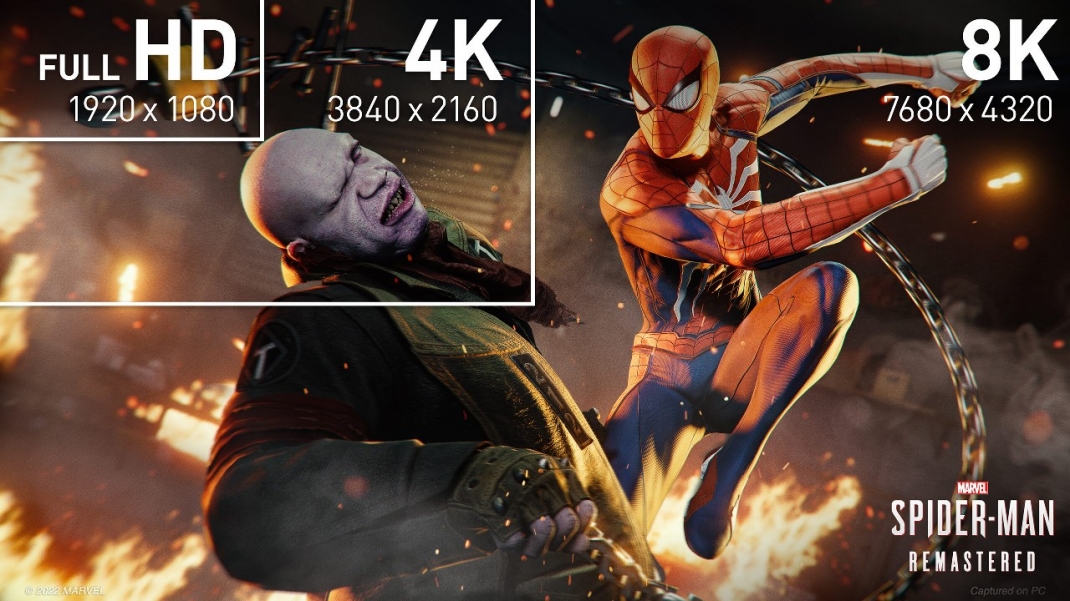
Start by setting the game resolution to native 8K (7680×4320) for the sharpest image. Some games allow rendering at a lower resolution and then upscaling. This method can improve frame rates but may reduce clarity.
Lowering detail levels for shadows, textures, and effects can also ease GPU strain. Avoid maxing out every setting. Find a middle ground where visuals still look good but performance stays smooth.
Balancing Ray Tracing And Performance
Ray tracing adds realistic lighting and reflections but consumes a lot of GPU power. Use ray tracing selectively by enabling it only for key effects like shadows or reflections.
Consider lowering ray tracing quality or turning it off in less important scenes. This balance helps maintain playable frame rates without losing all the visual benefits of ray tracing.
Utilizing Dlss And Upscaling Technologies
DLSS (Deep Learning Super Sampling) uses AI to boost performance by rendering at lower resolution. It then upscales images close to native 8K quality.
Enable DLSS or similar upscaling features in supported games. These technologies reduce GPU load and improve frame rates while preserving sharpness. This approach is essential for smooth 8K gaming on current hardware.
Driver And Software Management
Proper driver and software management plays a vital role in 8K gaming performance. Your graphics card and system software work together to deliver smooth visuals. Keeping these elements in top shape ensures your PC handles the high demands of 8K resolution without lag.
Updating drivers and fine-tuning software settings optimize resource usage. This reduces glitches and boosts frame rates. Using the right tools to monitor and adjust your system helps maintain stable gameplay during intense sessions.
Keeping Gpu Drivers Updated
GPU drivers control how your graphics card communicates with games. Manufacturers release updates to fix bugs and improve performance. Download the latest drivers from the official website regularly.
New driver versions often include optimizations for recent games and features. Updated drivers can enhance 8K rendering speed and reduce crashes. Avoid using outdated drivers that limit your system’s potential.
Optimizing Graphics Control Panels
Graphics control panels let you adjust settings directly for your GPU. Use them to tweak image quality, power usage, and performance balance. Lower unnecessary effects that do not improve gameplay.
Adjust resolution scaling and texture filtering to suit 8K gaming needs. Choose settings that maximize frame rate without sacrificing too much visual detail. Save custom profiles for different games to switch easily.
Using Performance Monitoring Tools
Performance tools show real-time data on your CPU, GPU, and memory usage. Monitoring helps identify bottlenecks that hurt 8K gaming smoothness. Popular tools include MSI Afterburner and GPU-Z.
Track temperatures and clock speeds to avoid overheating and throttling. Use monitoring results to adjust fan curves or lower settings. Regular checks keep your system stable and responsive during long gaming sessions.
Cooling And Power Management
Effective cooling and power management are vital for smooth 8K gaming. High-resolution gaming pushes hardware to its limits. This creates more heat and requires more power. Managing these factors keeps your PC stable and fast.
Proper cooling prevents overheating, which can cause crashes or slowdowns. Good power delivery ensures your components get steady and enough electricity. Both work together to maintain peak performance during long gaming sessions.
Improving Airflow Inside The Case
Airflow moves hot air out and cool air in. Clear cables and parts that block air reduce airflow. Arrange cables neatly behind the motherboard tray. Use dust filters to keep vents clean. Open vents help air move freely.
Place intake fans at the front and exhaust fans at the back or top. This creates a steady flow of air through the case. More fans may be needed for larger cases. Balanced airflow reduces hot spots inside the PC.
Choosing Efficient Cooling Solutions
Air coolers with large heatsinks and quiet fans work well for many builds. Liquid cooling offers better heat removal for high-end CPUs and GPUs. Closed-loop coolers are easy to install and maintain. Custom loops provide the best cooling but need more care.
Use thermal paste correctly to improve heat transfer between chips and coolers. Monitor temperatures with software to check if cooling is effective. Replace or upgrade coolers if temperatures stay high during gaming.
Ensuring Stable Power Delivery
Choose a power supply unit (PSU) with enough wattage for all components. A quality PSU delivers clean and steady power without drops. Look for units with 80 Plus certification for efficiency.
Keep power cables connected firmly and avoid cheap extensions. Use surge protectors to guard against voltage spikes. Stable power prevents crashes and extends hardware lifespan.
Network Optimization For Online Gaming
Network optimization plays a key role in online 8K gaming. A fast and stable connection reduces delays and keeps gameplay smooth. Even the most powerful gaming PC struggles with laggy internet. Optimizing your network helps deliver the full potential of your hardware. It ensures your actions register quickly and your experience stays immersive.
Reducing Latency And Packet Loss
Latency is the delay between your command and the game’s response. Lower latency means faster reaction times. Packet loss causes data to drop during transmission, leading to stutter or disconnects. Use tools to measure latency and packet loss regularly. Close background apps that use bandwidth. Select game servers close to your location for better response.
Prioritizing Gaming Traffic
Network traffic can slow your game if other devices hog bandwidth. Routers with Quality of Service (QoS) settings help. They prioritize gaming data over other traffic. Enable QoS and assign high priority to your gaming PC. This reduces lag and keeps your connection stable during peak usage.
Using Wired Connections
Wi-Fi signals can be unstable and cause lag spikes. A wired Ethernet connection offers a steady and faster link. It reduces interference and packet loss. Use a high-quality Ethernet cable for best results. Wired connections ensure your 8K gaming experience stays smooth and responsive.
Credit: www.nvidia.com
Advanced Performance Tweaks
Advanced performance tweaks push your gaming PC beyond standard settings. These changes help your system handle 8K resolution with better stability and speed. Minor adjustments can improve frame rates and reduce lag. Understanding these tweaks lets you enjoy smoother gameplay and sharper visuals.
Overclocking Gpu And Cpu Safely
Overclocking boosts the power of your GPU and CPU. It increases clock speeds to improve performance. Start by raising speeds in small steps. Test stability with stress tests after each change. Watch temperatures closely to avoid overheating. Use reliable software like MSI Afterburner or Intel Extreme Tuning Utility. Never exceed safe voltage limits to protect hardware. Proper cooling is essential during overclocking sessions.
Tweaking Virtual Memory
Virtual memory acts as extra RAM when your system runs low. Increasing virtual memory helps handle large game files at 8K. Open system settings and adjust the paging file size manually. Set the initial and maximum size to recommended values or higher. Use a fast SSD for virtual memory to speed up access. This tweak reduces crashes and improves load times during gaming.
Customizing Game Libraries And Launchers
Game libraries and launchers can affect game performance. Disable unnecessary background features like auto-updates and notifications. Organize game installations on the fastest drive available. Some launchers allow priority settings for better resource allocation. Clear cache regularly to prevent slowdowns. Customizing these tools helps games start faster and run smoother at 8K resolution.
Credit: www.pcbuildadvisor.com
Frequently Asked Questions
How To Get 8k Resolution On Pc?
Connect an 8K-capable monitor to a powerful GPU supporting 8K output. Use HDMI 2. 1 or DisplayPort 1. 4 cables. Adjust display settings to 7680×4320 resolution in Windows. Update your graphics drivers for optimal performance.
Is 8k Overkill For Gaming?
8K gaming demands extreme hardware power and offers minimal visible improvement on most screens. It suits only high-end setups and future-proofing.
How Much Ram Is Needed For 8k Gaming?
For smooth 8K gaming, at least 32GB of RAM is recommended. This ensures optimal performance and future-proofing.
How Do I Fully Optimize My Pc For Gaming?
Update drivers, enable Game Mode, close background apps, optimize graphics settings, and keep your PC cool for peak gaming performance.
Conclusion
Optimizing your gaming PC for 8K gaming takes patience and care. Focus on upgrading key parts like the GPU and CPU. Keep your drivers and software updated for best results. Adjust settings to balance quality and performance. Regular cleaning and cooling help maintain stability.
Small tweaks can improve your gaming experience a lot. Enjoy stunning visuals and smooth gameplay with a well-optimized system. Your effort pays off in every frame and every game.
